

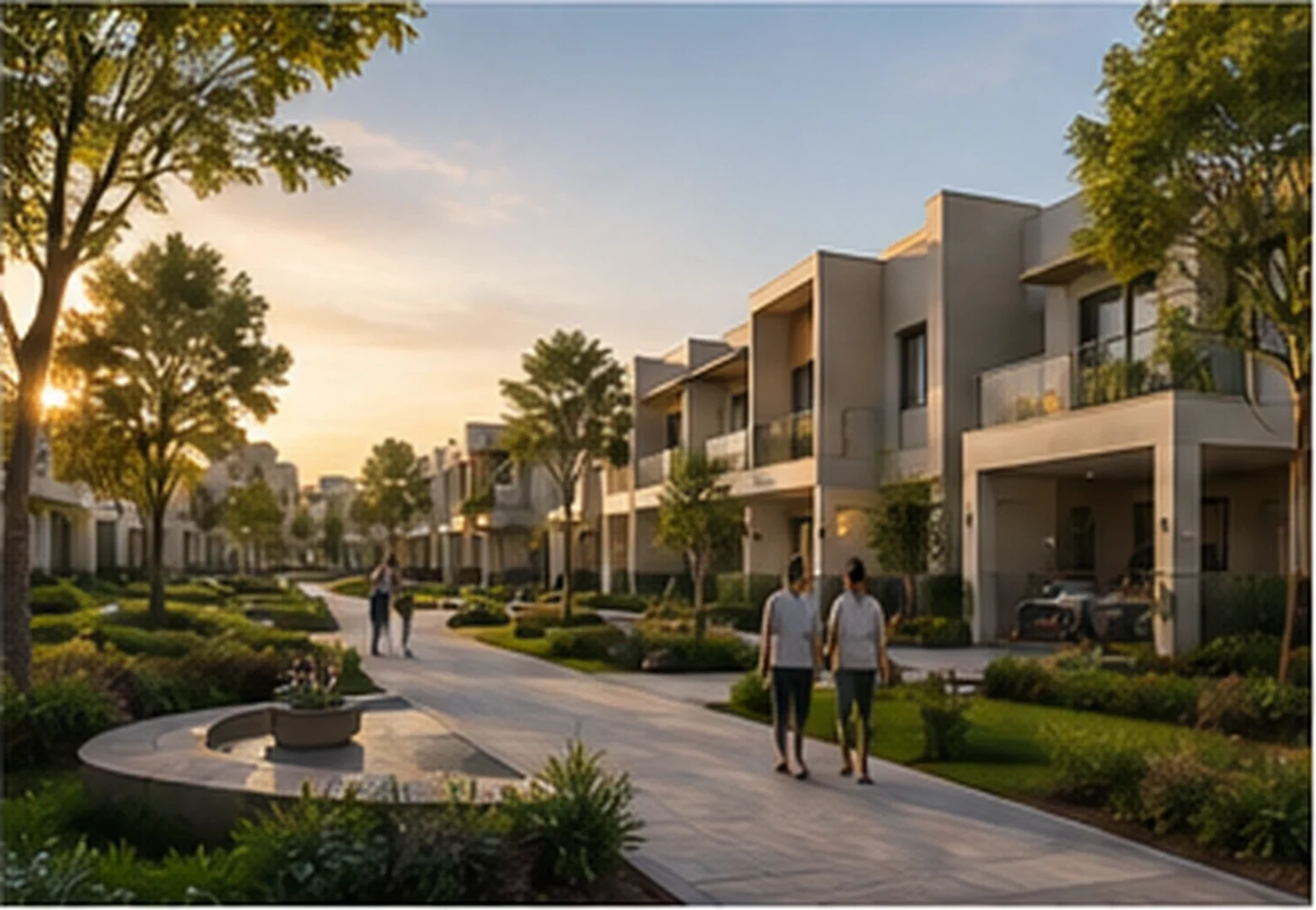
Townhouses — Dubai
Townhouses in Dubai
Enjoy community living, practical family space and private outdoor areas with a different balance of price, privacy and maintenance than a standalone villa.
A townhouse may suit families moving from apartments, buyers seeking access to villa-community amenities and investors looking for a completed or future family-oriented asset. The decision should not begin with the lowest advertised price—it should begin with the right community, layout, townhouse position, possession pathway and total ownership cost.
Community lifestyle. Practical space. A clearer ownership strategy.
The Townhouse Position
More Space Than an Apartment. Less Independence Than a Villa.
A townhouse is generally a multi-level home within a planned residential community — a distinct property strategy rather than a smaller version of a villa.
Apartment
Community amenities and low maintenance, with the least private space and plot.
Townhouse
A middle position: more private space and independence than an apartment, within a managed community.
Standalone Villa
The most private plot and independence, usually at higher capital and maintenance.
It may provide
- multiple bedrooms
- a private entrance
- ground-floor family living
- private garden or terrace
- dedicated parking
- access to community amenities
- a stronger neighbourhood feeling than many apartment buildings
It may also include
- one or more shared walls
- a smaller plot
- less separation from neighbours
- community design restrictions
- shared maintenance responsibilities
- less expansion or alteration freedom than a standalone villa
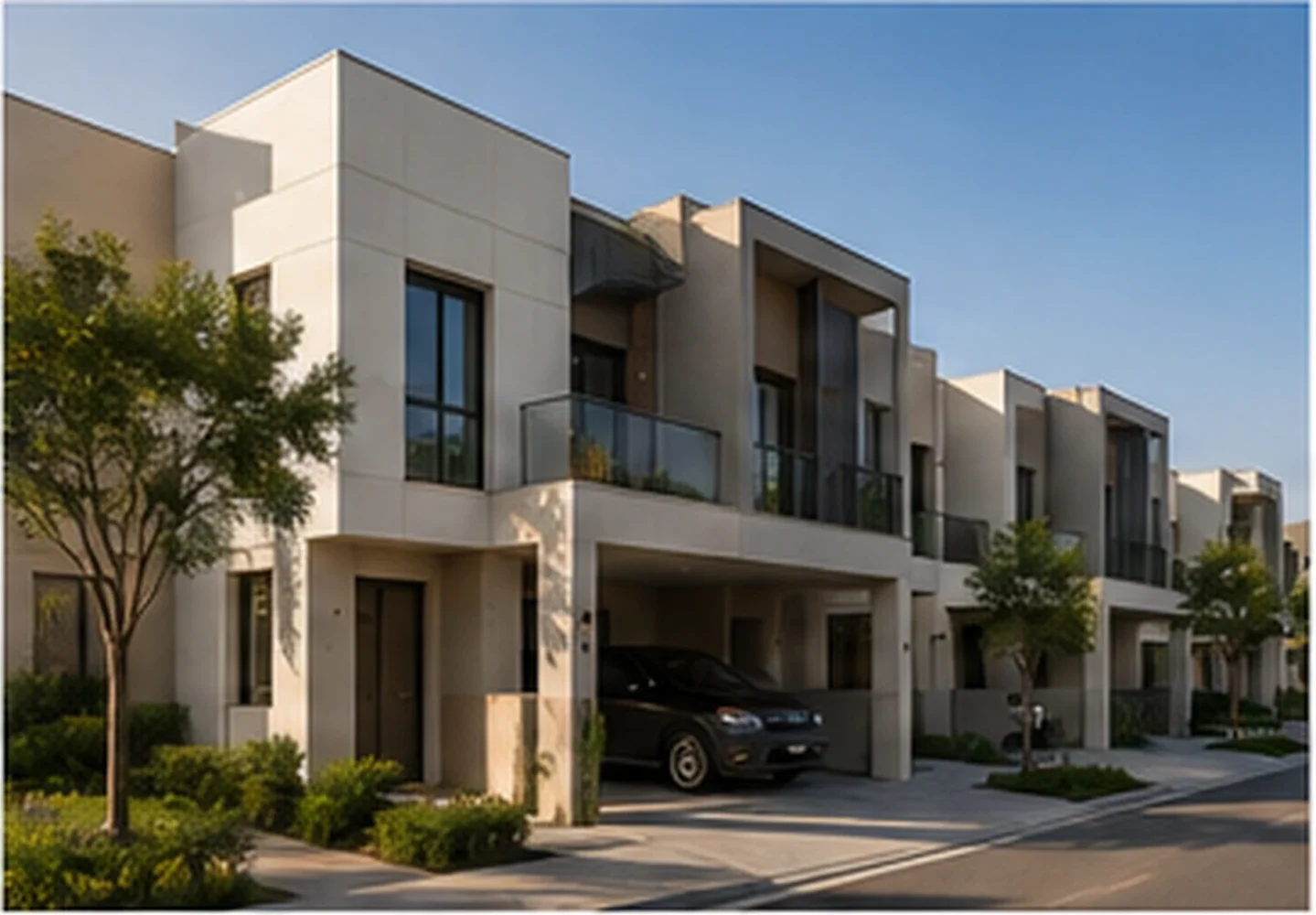
A townhouse is not simply a smaller villa. It is a separate property strategy with its own lifestyle, privacy, maintenance and investment considerations.
Strategy Fit
Who May Benefit From Townhouse Living?
Families Moving From Apartments
More bedrooms, a private entrance, additional storage and usable outdoor space.
First Family-Home Buyers
A community home without the plot size or capital commitment of a standalone villa.
Buyers Who Value Community Amenities
Parks, pools, sports, playgrounds, walking routes and organised neighbourhood living.
Buyers Seeking Manageable Outdoor Space
A garden or terrace without the scale of a large villa plot.
Future Relocation Buyers
A family-oriented community and a structured possession pathway for a later move.
Downsizing Villa Owners
Community living with less private external maintenance than a large villa.
Rental Investors
A family-tenant audience that values bedrooms, outdoor space, schools and facilities.
Long-Term Investors
A family-oriented asset with a potentially broader entry price than many villas.
Not every family or investor should choose a townhouse — suitability depends on the objective, community and total-capital framework.
Home Buyer or Investor
Are You Buying a Home or an Investment Asset?
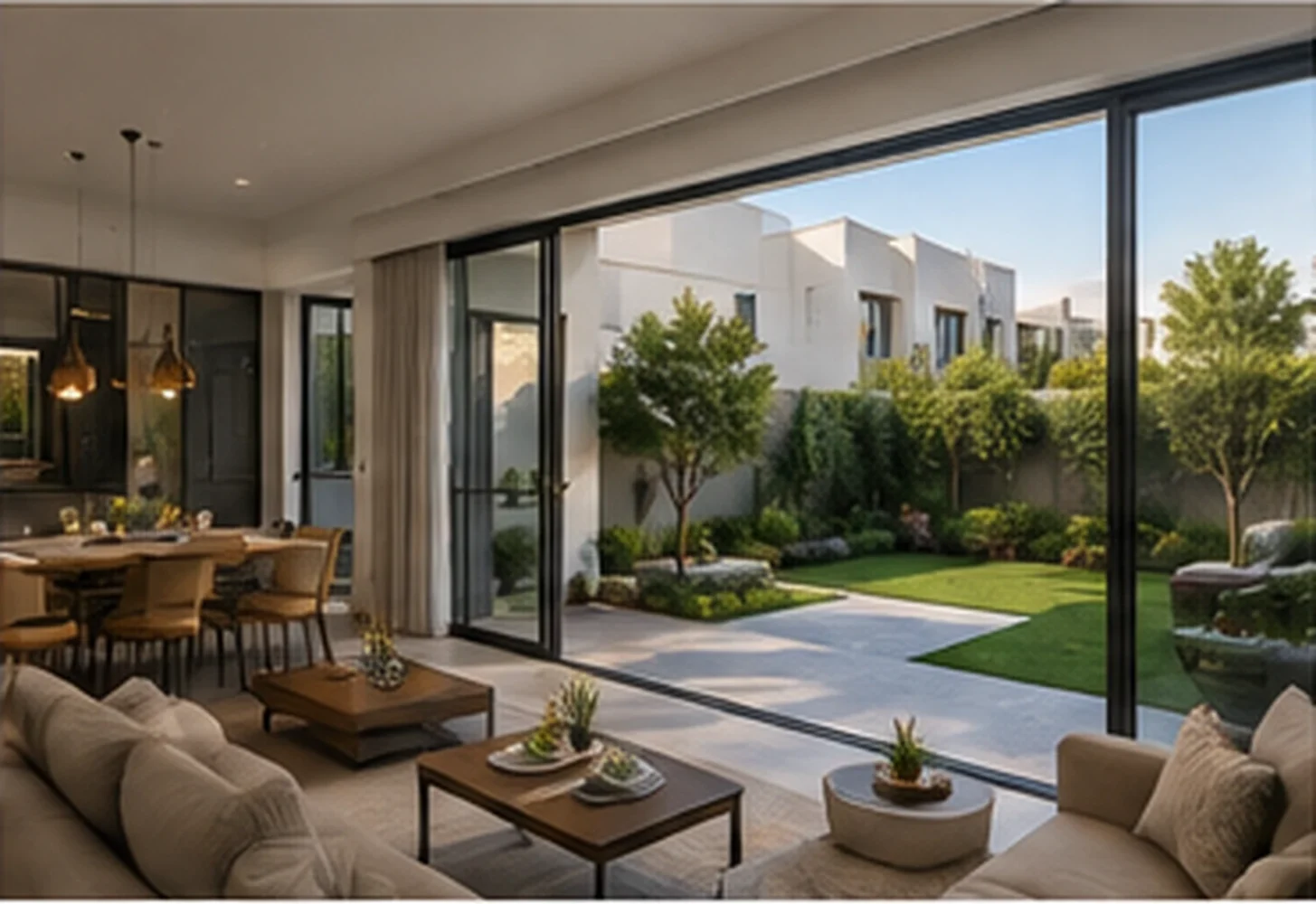
Home Buyer and Family Home
The main objective is practical daily living.
Priorities
- bedrooms and layout
- children’s space
- schools and nurseries
- workplace commute
- community safety
- private garden
- parking
- storage
- kitchen and family areas
- visitor access
- shared-wall privacy
- community facilities
- future family adaptability
- emotional connection with the home
For a home buyer, the townhouse must work as a home, a daily routine and a community—not only as a property purchase.
Investor and Rental Asset
The main objective is sustainable tenant and future-buyer relevance.
Priorities
- disciplined acquisition price
- community demand
- efficient layout
- bedroom count
- usable garden
- parking
- property condition
- service or community charges
- future supply
- tenant profile
- rentability
- vacancy risk
- maintenance responsibility
- resale audience
- holding period
A townhouse investment should be selected for its community, layout, price and family demand—not only because its entry price is lower than a villa.
Why Townhouse
Practical Family Living Within a Complete Community
More Accessible Than Many Villas
Entry into a villa-oriented community at a lower capital requirement than a comparable standalone villa.
Family-Oriented Layout
Multiple floors may separate family living, bedrooms, staff areas and visitor spaces more effectively than many apartments.
Private Outdoor Space
A garden or terrace can support children, pets, entertaining and everyday outdoor living.
Community Amenities
Residents may share parks, pools, gyms, sports areas, clubhouses, retail and family facilities.
Neighbourhood Environment
Low-rise streets and community paths can provide a stronger residential feeling than high-density apartment living.
More Manageable Maintenance
The private plot and external area may be easier to manage than a large standalone villa.
Broader Property Pathways
Choose between established ready townhouses, newly completed homes and upcoming off-plan communities.
Important note. These advantages vary significantly by community, cluster, developer, townhouse position and property condition.
Property Comparison
Which Format Fits the Family or Investment Strategy?
The correct question is not whether a villa is always better. It is whether the buyer will genuinely use the additional plot, privacy and capital that a villa requires.
The Step From Apartment Living
What Changes When You Move to a Townhouse?
Private Entrance
Direct access rather than shared building corridors and lifts.
Outdoor Area
A garden or terrace may provide more usable private outdoor space.
Internal Levels
Bedrooms and family living may be separated across floors.
Community Lifestyle
Access to parks, pools, sports and low-rise neighbourhood streets.
Maintenance Responsibility
The owner may become responsible for more internal and external systems than in an apartment.
Total Ownership Cost
Utilities, cooling, garden, repairs, insurance and community charges can differ significantly from apartment ownership.
Moving from an apartment to a townhouse creates more space and independence, but also introduces greater property responsibility.
Property Position
Not Every Townhouse in the Same Cluster Is Equal
Mid-Unit Townhouse
A property positioned between neighbouring homes with shared walls on both sides.
Potential strengths
- often more accessible pricing
- potentially lower external heat exposure
- efficient community layout
Considerations
- less side access
- less natural light
- greater neighbour sensitivity
- limited expansion or garden access
End-Unit Townhouse
A townhouse attached on one side only.
Potential strengths
- greater side light
- improved access
- more separation
- stronger resale appeal in some communities
Corner Townhouse
A property occupying a corner or wider road position.
Potential strengths
- potentially larger external area
- greater openness
- improved parking or visitor access
Considerations
- road exposure
- noise
- landscape responsibility
- community-specific restrictions
Back-to-Back Townhouse
A compact format where homes may have reduced rear separation or shared rear relationships.
Considerations
- privacy
- garden depth
- outlook
- ventilation
- layout efficiency
Single-Row Townhouse
A property backing onto open space, a park, landscape or lower-density outlook rather than another immediate row.
Potential strengths
- greater privacy
- better outlook
- stronger family and resale appeal
Twin Villa or Semi-Detached Format
A larger property attached to only one neighbouring home, often positioned between a standard townhouse and a standalone villa.
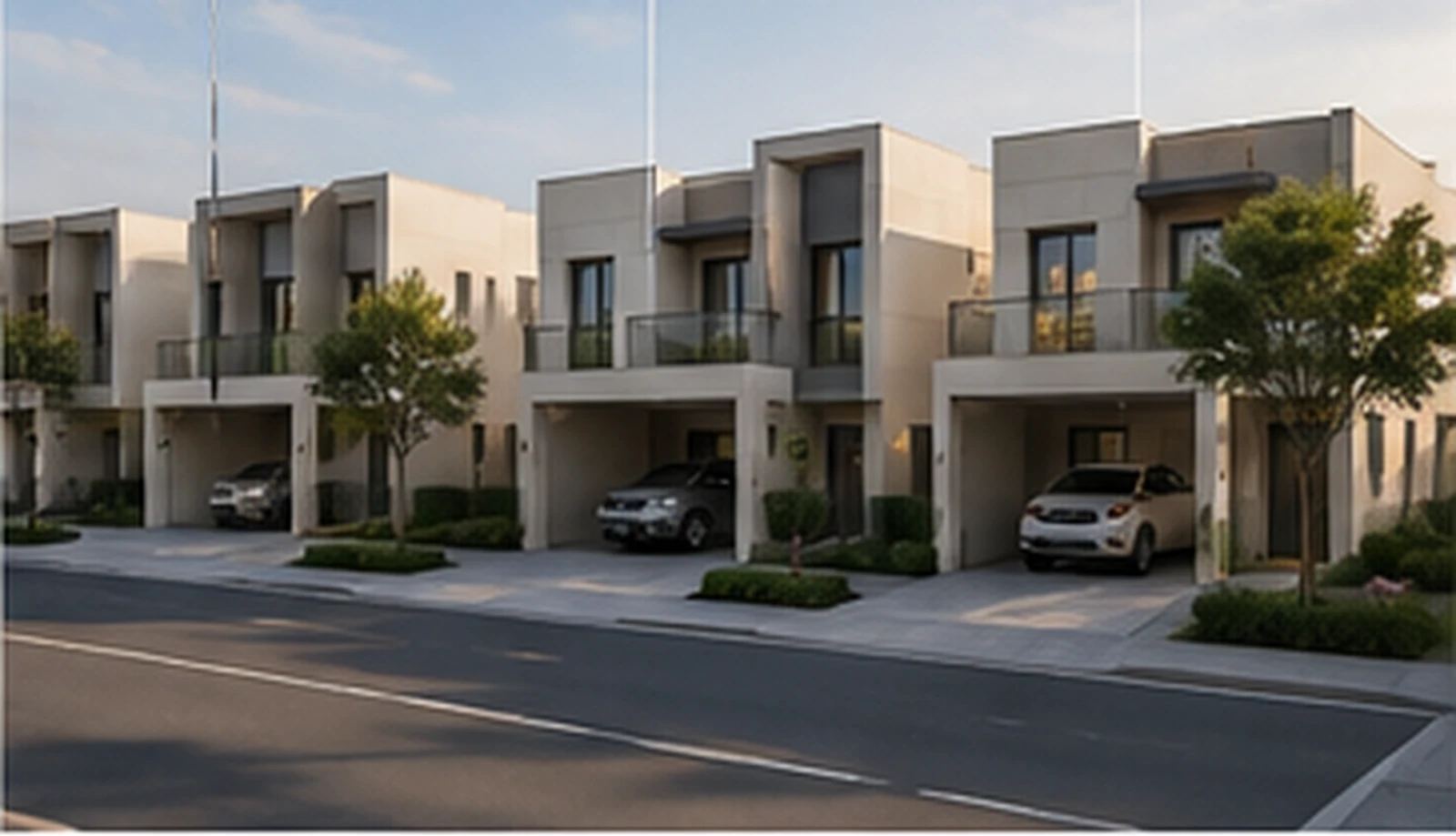
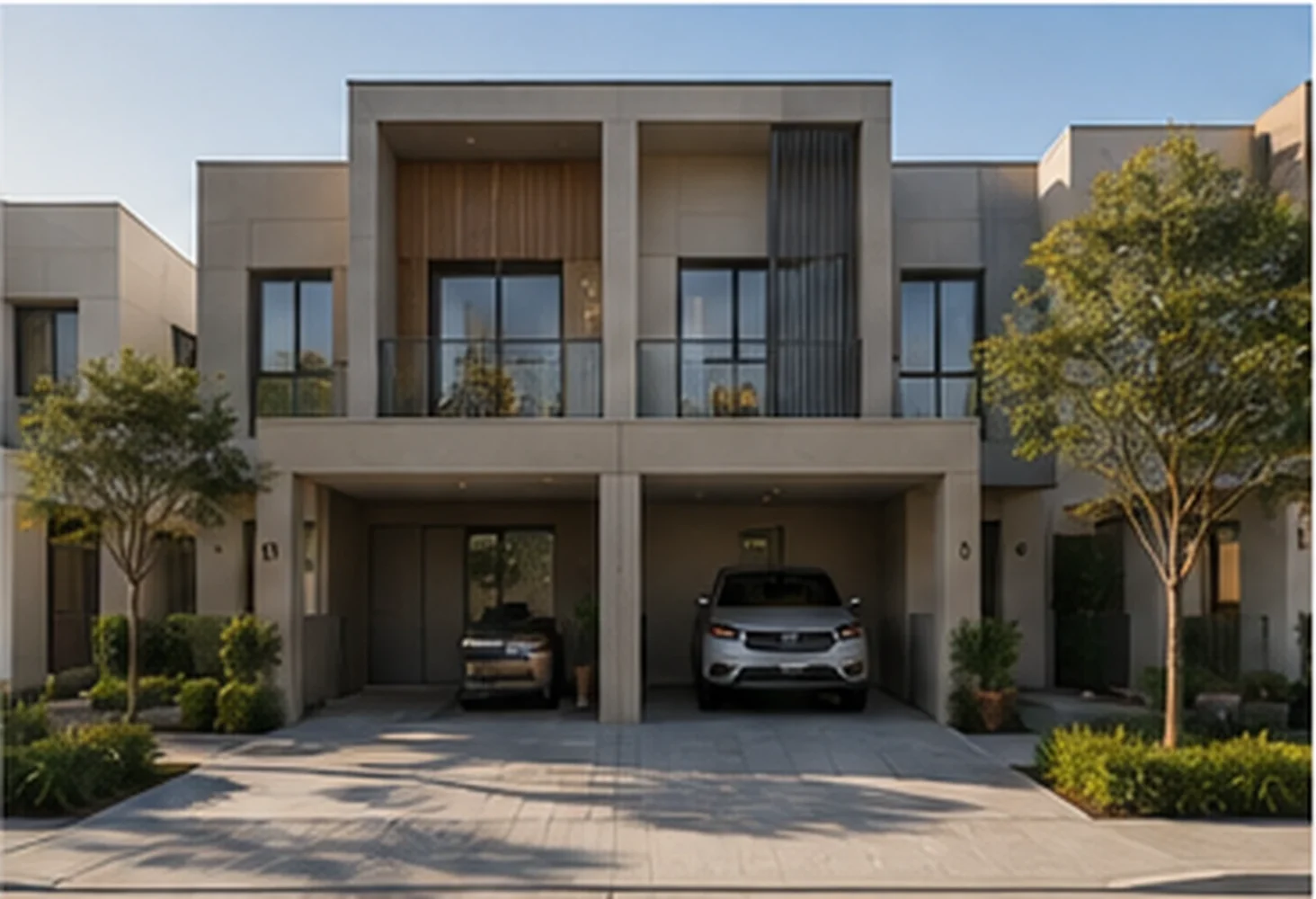
Illustrative townhouse-position context. Position within the cluster may influence privacy, light, garden use and future resale as much as the bedroom count.
Daily Life
Townhouse Ownership Is Closely Connected to the Community
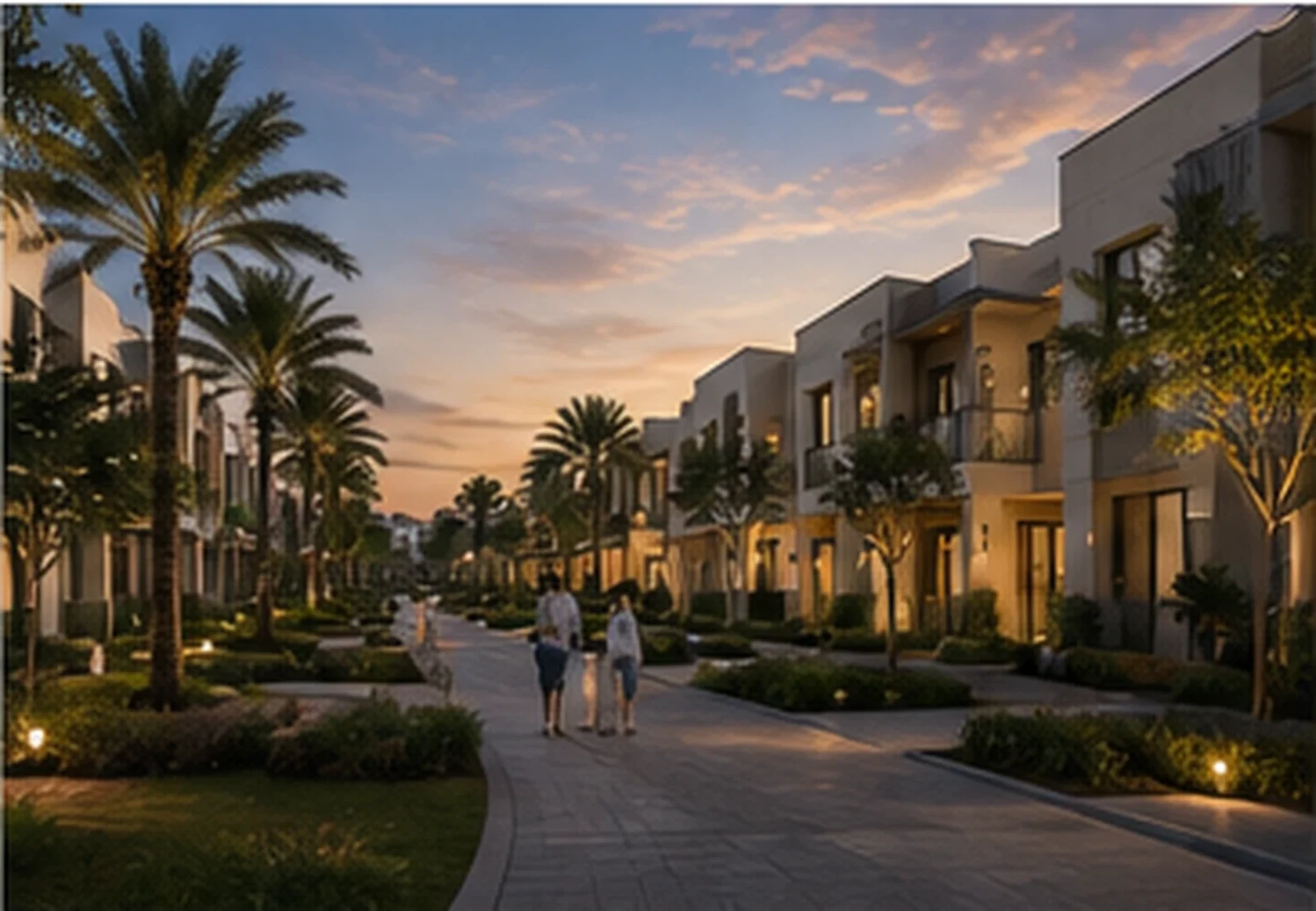
Most townhouse decisions are also community decisions. Modern townhouse developments are often organised around parks, clubhouses, pools, sports facilities, retail and family-oriented open space.
Parks and Play Areas
Walking routes, children’s play areas, shaded zones and usable open space.
Pools and Club Facilities
Which facilities are operational, accessible and appropriate for the household.
Sports and Fitness
Gyms, courts, cycling paths, football areas and outdoor exercise spaces.
Schools and Nurseries
Actual travel time, school-run traffic and admission planning.
Retail and Dining
Supermarkets, pharmacies, cafés, restaurants and daily services.
Healthcare
Nearby clinics, hospitals and emergency access.
Safety and Walkability
Lighting, crossings, internal traffic, pedestrian routes and security.
Community Management
Landscaping, shared facilities, communication, maintenance and common-area condition.
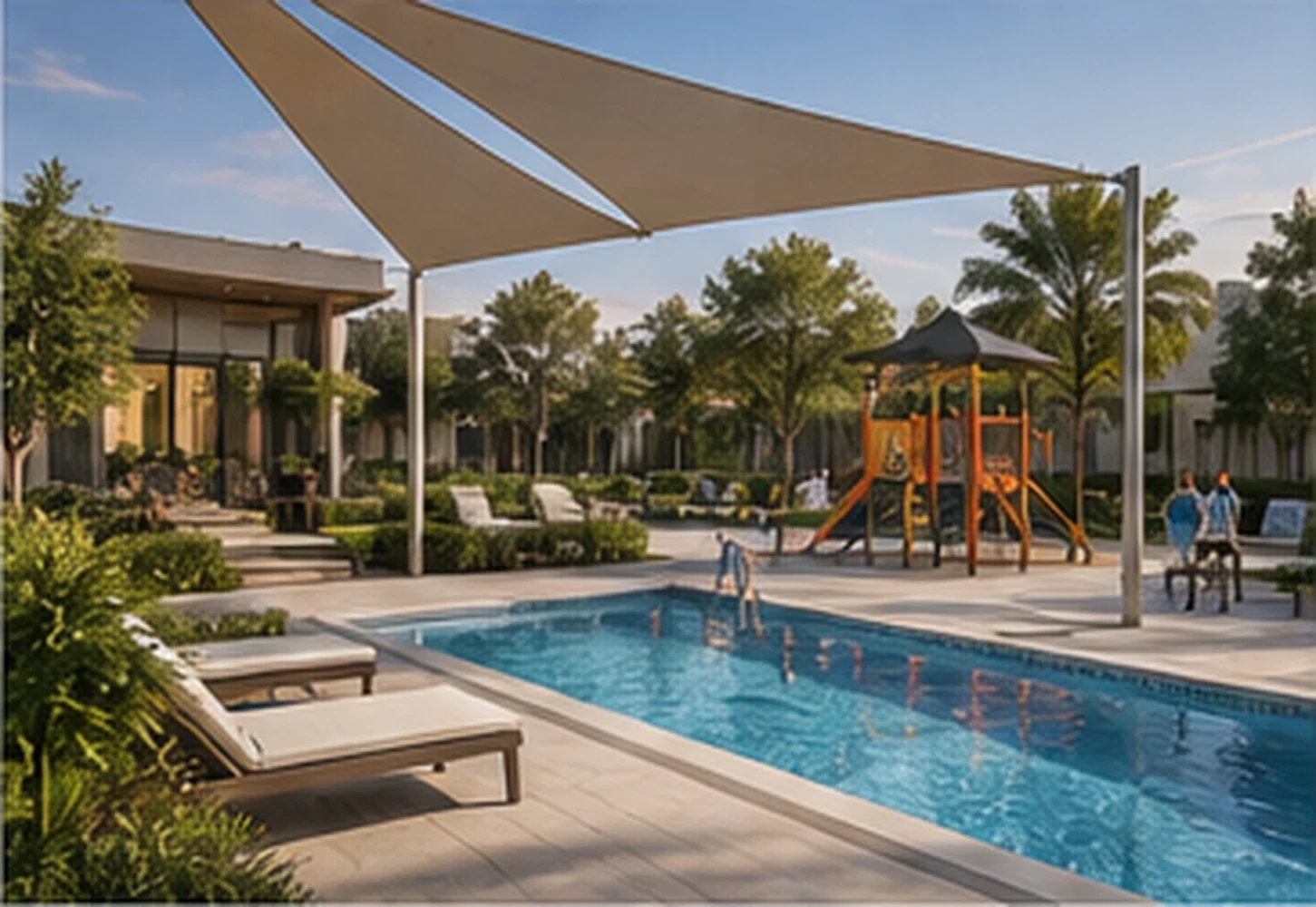
Community Stage
Choose the Community Stage Before Choosing the Townhouse
Living experience, facility certainty and future competition differ across established, newly completed and upcoming communities — increasing dependence on future delivery from left to right.
Established Townhouse Communities
Buyers can observe actual landscaping, occupied streets, operational amenities, maintenance, traffic, schools and real rental and resale competition.
Potential advantages
- clearer daily-life assessment
- established family demand
- more observable service quality
- greater transaction history
Considerations
- older systems
- renovation needs
- variable property condition
- potentially higher prices in stronger locations
Newly Completed or Growing Communities
Newer homes combined with increasing occupation and improving facilities.
Potential advantages
- modern layouts
- newer systems
- developing parks and retail
- growing community identity
- lower immediate age-related maintenance
Considerations
- surrounding construction
- young landscaping
- incomplete facilities
- future phases and supply
- early community-management performance
Upcoming or Off-Plan Communities
Based partly on future delivery and master-plan commitments.
Potential advantages
- payment plans
- new designs
- larger future community vision
- early access to selected clusters
- possible future infrastructure growth
Considerations
- delivery timing
- finance at handover
- uncompleted amenities
- future supply
- density
- reliance on developer execution
Community Directions
Different Communities Serve Different Objectives
These examples are for comparison direction only. They are not live listings or recommendations.
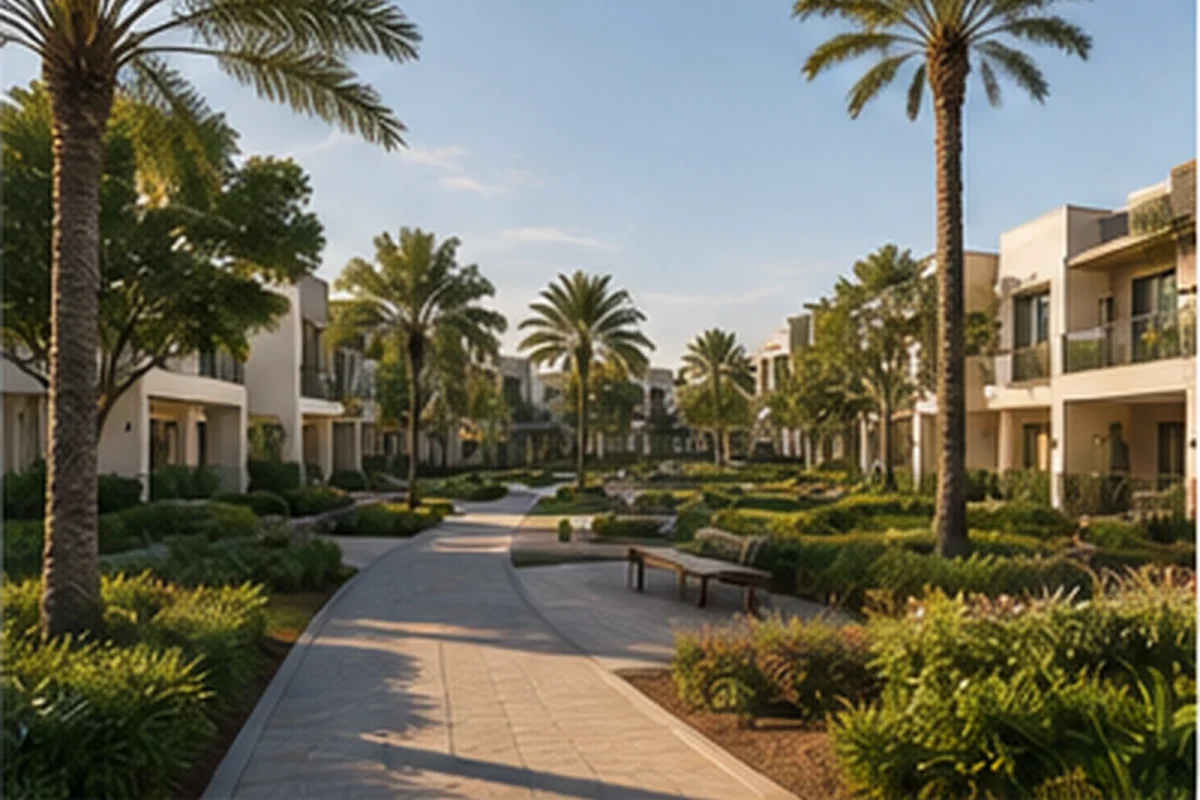
Established or More Observable Communities
Examples may include
- The Springs and the wider Emirates Living environment
- Mudon
- Town Square Dubai
- Villanova
- DAMAC Hills 2
These communities offer varying combinations of mature or developing amenities, family facilities, parks, retail and townhouse formats.
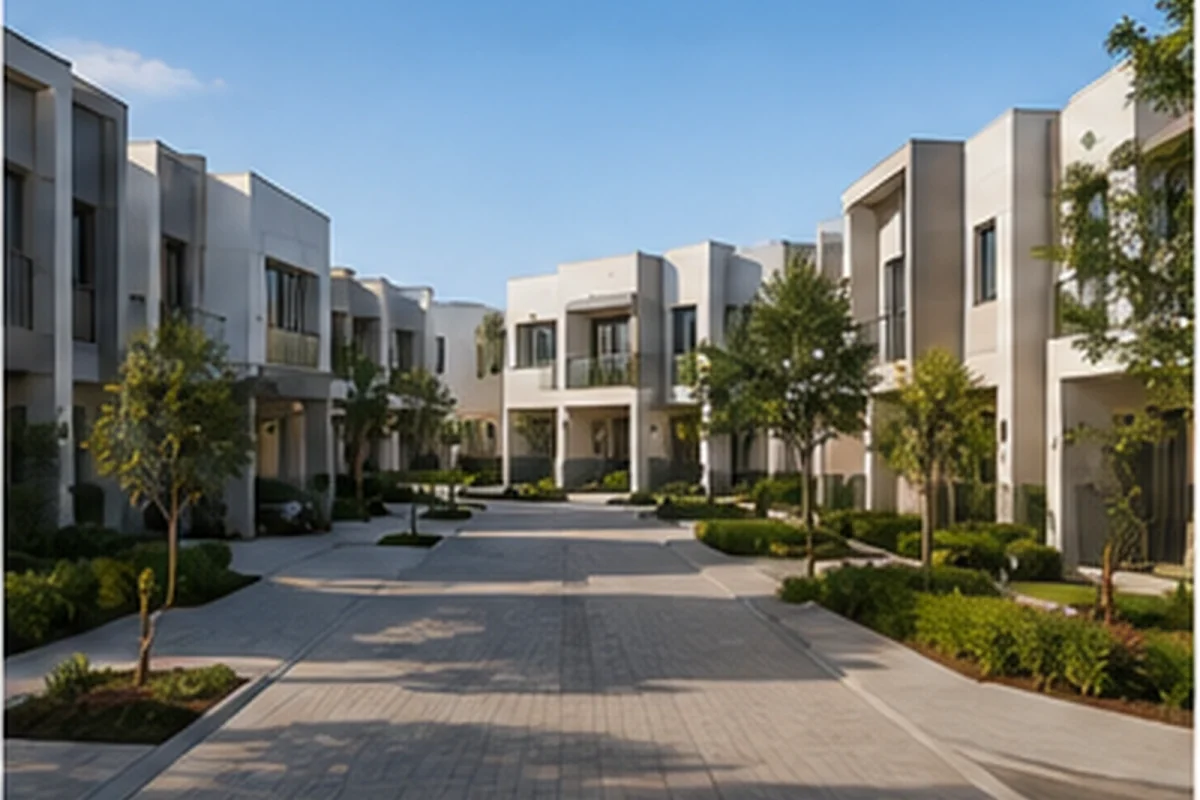
Newer and Modern Community Options
Examples may include
- Arabian Ranches III
- The Valley
- Expo Valley
- DAMAC Lagoons
These communities emphasise contemporary townhouses, parks, outdoor living and integrated facilities, although the completion stage varies by cluster.
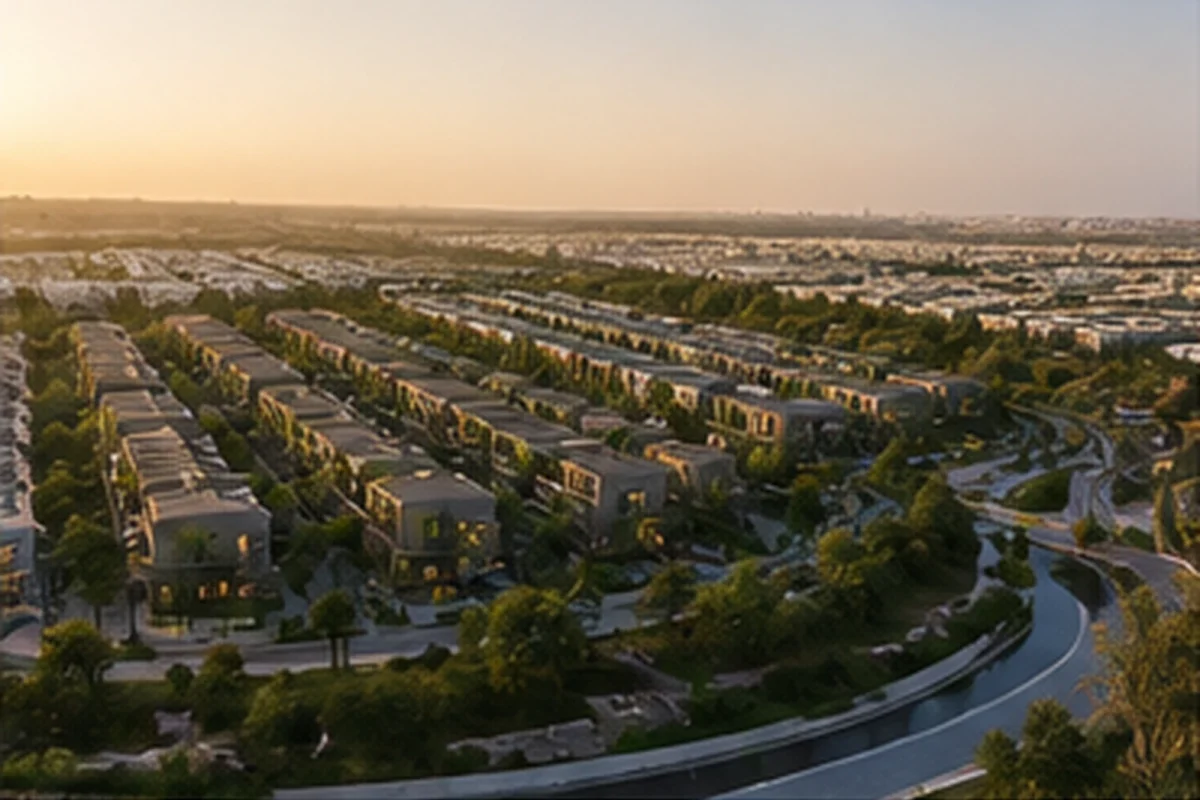
Upcoming and Expansion Areas
Examples may include
- later phases within Villanova
- Shamsa Townhouses at Expo Valley
- DAMAC Islands
- Lantana Hills
Villanova’s current expansion includes 850 additional townhouses; Expo City has launched a second Shamsa Townhouses phase; DAMAC Islands is an off-plan townhouse and villa community; and Lantana Hills is a new 390-home townhouse community under development in Dubai Science Park.
Important. Community stages, completion, current inventory and facilities must be verified at the time of comparison.
Capital Framework
Price Depends on More Than the Community Name
For initial planning, a buyer may use the following strategic budget bands. AED 3 million should be used as a planning benchmark, not as a universal minimum.
Below AED 3 Million
Options may exist
- selected older communities
- communities farther from central employment areas
- smaller layouts
- mid-unit positions
- properties requiring maintenance
- selected off-plan or developer-launch phases
May involve compromise
- location
- commute
- plot
- privacy
- community maturity
- bedroom size
- possession timing
Around AED 3M to AED 5M
A broader search across
- stronger family communities
- larger or better-positioned townhouses
- newer ready properties
- selected established communities
- end units or improved cluster positions
- communities with stronger amenities
Above AED 5 Million
The search may move toward
- larger premium townhouses
- twin villas
- highly established locations
- larger plots
- central or low-density communities
- upgraded or rare positions
- more villa-like formats
Official developer launch examples have included some three- and four-bedroom townhouse releases from approximately AED 2.0 million to AED 2.26 million, showing that sub-AED 3 million entry points can exist at particular launch stages. Such figures may be historic launch prices and must not be treated as current availability.
The correct question is not only “What is the price?” It is “What community, position, condition, possession and total ownership cost does that price provide?”
Property Pathway
Do You Need Possession or Future Planning?
Property Fundamentals
Look Beyond the Bedroom Count
Internal Layout
- living and dining relationship
- kitchen
- bedroom sizes
- storage
- staff areas
- bathrooms
- stair use
- natural light
Townhouse Position
- mid-unit or end-unit
- corner position
- single row
- road exposure
- neighbouring units
- park or open-space relationship
Garden and Privacy
- garden depth
- overlooking
- boundary
- rear access
- noise
- shade
- outdoor usability
Shared Walls
- number of shared walls
- bedroom positioning
- internal noise
- external equipment
- neighbouring modifications
Parking and Access
- covered spaces
- visitor parking
- vehicle size
- service access
- school-run traffic
- street congestion
Property Condition
- air-conditioning
- waterproofing
- roof
- plumbing
- electrical
- doors and windows
- garden
- external works
Community Condition
- landscaping
- facilities
- security
- roads
- waste management
- maintenance
- shared-area use
Future Adaptability
- family growth
- home office
- accessibility
- storage
- furnishing
- permitted improvements
- future resale audience
Investment Strategy
Why Some Investors Choose Townhouses
Lower Relative Entry Than Many Villas
Access to family-oriented community demand with less capital than many standalone villas.
Family-Tenant Audience
Three- and four-bedroom townhouses may serve families seeking schools, outdoor space and community amenities.
Wider Buyer Pool
Appeal to apartment upgraders, first family-home buyers and investors.
Efficient Use of Space
A practical layout may provide several bedrooms without the capital requirement of a large plot.
Community-Led Demand
Parks, pools, schools, retail and access may support tenant and buyer demand.
End-Unit and Rare-Position Premiums
Certain positions may attract greater demand because of light, privacy or outdoor area.
Potentially Manageable Maintenance
The private area may be easier to manage than a large villa, though responsibilities still require review.
Multiple Exit Pathways
Depending on the property, consider rental, resale or longer-term family ownership.
The decision should also consider
- service and community charges
- maintenance
- future supply
- rent-to-price relationship
- vacancy
- finance
- tenant maintenance expectations
- property management
- resale competition
Disclaimer. No rental return, appreciation, resale period or investment result is guaranteed.
Compare Before You Buy
The Lowest-Priced Townhouse May Not Be the Best Value
A townhouse should be compared with relevant direct alternatives across community, developer, cluster, type, position, built-up area, garden, bedrooms, parking, condition, charges, possession and future supply.
Price
Asking price against relevant, direct evidence.
Position
Mid, end, corner, single-row or back-to-back.
Layout
Built-up area, bedrooms, flow and family fit.
Condition
Systems, finishes and immediate maintenance.
Community
Developer, cluster, amenities and demand.
Possession
Vacant, tenanted and the timing of occupation.
Future Cost
Community charges, maintenance and holding cost.
Two townhouses with similar asking prices can provide very different value. One may be a mid-unit with limited light, a small garden and immediate maintenance. Another may offer an end position, stronger privacy, better condition and a more practical family layout.
Purchase Process
From Family or Investment Objective to Possession
- Define the Objective
- Set the Capital Framework
- Select the Community Stage
- Define the Townhouse Format
- Source and Shortlist
- Inspect and Compare
- Complete Due Diligence
- Negotiate, Transfer and Prepare
Define the Objective
Own use, relocation, rental, resale or long-term ownership.
Set the Capital Framework
Purchase, deposit, finance, transaction, maintenance, furnishing and contingency.
Select the Community Stage
Compare established, newly completed and upcoming options.
Define the Townhouse Format
Bedrooms, position, garden, parking, privacy and possession.
Source and Shortlist
Review only properties or projects matching the approved brief.
Inspect and Compare
Assess the property, cluster, community, commute, amenities and direct alternatives.
Complete Due Diligence
Coordinate property, finance, valuation, documentation and possession checks.
Negotiate, Transfer and Prepare
Align price, terms, transfer, keys, maintenance, furnishing and occupation or leasing.
Total Ownership
The Asking Price Is Only One Part of the Decision
Transaction Costs
Transfer, trustee, brokerage, registration and administration.
Finance Costs
Valuation, lender charges, deposit, interest and insurance where applicable.
Property Preparation
Inspection, maintenance, cleaning, painting, furnishing and moving.
Community Costs
Service or community charges, facility-related obligations and management requirements.
Ongoing Ownership
Utilities, cooling, garden, repairs, insurance and general maintenance.
Investment and Holding
Vacancy, leasing preparation, management, marketing, finance and contingency.
A cheaper townhouse may cost more overall if it requires substantial repairs, has higher ongoing charges or creates a longer commute and weaker family fit.
Decision Controls
Identify the Important Questions Early
Shared-Wall Privacy
Bedroom position, noise and neighbour relationships.
Garden and Overlooking
Privacy, shade, drainage and outdoor usability.
Parking
Resident and visitor capacity.
Property Condition
Systems, waterproofing, roof and external areas.
Community Maintenance
Landscaping, facilities, roads and common areas.
Possession
Whether the property is vacant, occupied or tenanted.
Future Supply
Later phases and competing townhouse inventory.
Total Cost
Acquisition, finance, maintenance, community and holding costs.
A short self-check
Does the layout work for the family or tenant?
Is the community right for the daily routine?
Is the position worth the price?
Is privacy acceptable?
Is possession confirmed?
Does the total cost fit?
Is the future supply understood?
Would a villa or apartment be more practical?
Mostly Yes
Proceed to detailed comparison and due diligence.
Several No Answers
Revise the community, format or budget.
Still Uncertain
Clarify the strategy before paying a deposit.
A simple set of considerations — not a scoring system or a form. This page does not collect your answers.
Common Questions
Townhouse FAQs
Is a townhouse considered a villa?
Is an end-unit townhouse better?
Is a townhouse suitable for a family?
Is a townhouse cheaper than a villa?
Can I buy a townhouse below AED 3 million?
Are better townhouse communities always above AED 3 million?
Should I buy ready or off-plan?
Can I finance a ready townhouse?
Are townhouse service charges high?
Is a townhouse a good rental investment?
Can I renovate or extend a townhouse?
Do you publish every available townhouse?
Start With the Community and Format
Find the Right Townhouse for Your Family or Investment
Tell us whether you are buying for family use, relocation, rental income, future possession or long-term ownership. We will help compare the community, townhouse position, layout, property pathway, market price and total ownership cost before you proceed.
The right community. The right format. The right price position. A clearer decision before commitment.